
ในอุตสาหกรรมคอนเสิร์ตและอีเว้นท์ปัจจุบัน “แท่งไฟ” ไม่ได้เป็นเพียงอุปกรณ์เชียร์ทั่วไป แต่กลายเป็นหนึ่งในองค์ประกอบสำคัญที่ช่วยสร้างภาพลักษณ์และประสบการณ์ให้กับผู้ชม
คำว่า รับผลิตแท่งไฟ OEM จึงถูกพูดถึงมากขึ้นในกลุ่มศิลปิน แบรนด์ และผู้จัดงาน แต่ OEM คืออะไร และเหมาะกับใคร บทความนี้จะอธิบายให้เข้าใจอย่างชัดเจน
OEM คืออะไร
OEM หรือ Original Equipment Manufacturer คือการผลิตสินค้า “ตามแบบเฉพาะของแบรนด์”
ในกรณีของแท่งไฟ หมายถึงการสร้างสินค้าใหม่ขึ้นมาโดยมีเอกลักษณ์เฉพาะ ไม่ใช่การใช้แบบสำเร็จรูปในตลาด
โดยกระบวนการ OEM จะรวมถึงการออกแบบรูปทรง การกำหนดสี การใส่โลโก้ รวมถึงการพัฒนาฟังก์ชันให้สอดคล้องกับภาพลักษณ์ของแบรนด์หรือศิลปิน
ผลลัพธ์คือแท่งไฟที่มีความแตกต่าง และสามารถสะท้อนตัวตนได้อย่างชัดเจน
ความแตกต่างระหว่างแท่งไฟ OEM และแบบทั่วไป
แท่งไฟแบบทั่วไปมักเป็นสินค้าที่มีอยู่แล้วในตลาด ใช้แม่พิมพ์เดิม และสามารถนำไปใช้งานได้ทันที เหมาะกับงานที่ต้องการความรวดเร็ว
ในขณะที่แท่งไฟ OEM เป็นการพัฒนาสินค้าขึ้นใหม่ตั้งแต่ต้น ต้องผ่านขั้นตอนการออกแบบและพัฒนา แต่จะได้ผลลัพธ์ที่มีเอกลักษณ์เฉพาะ และมีความสอดคล้องกับแบรนด์มากกว่า
ทำไมแบรนด์และศิลปินถึงเลือก OEM
หนึ่งในเหตุผลหลักคือการสร้าง “ภาพจำ” แท่งไฟที่ออกแบบเฉพาะสามารถกลายเป็นสัญลักษณ์ที่ผู้ชมจดจำได้ทันที
นอกจากนี้ยังช่วยเพิ่มคุณค่าให้กับสินค้า ทำให้ดูมีความพรีเมียม และมีความหมายมากกว่าสินค้าทั่วไป
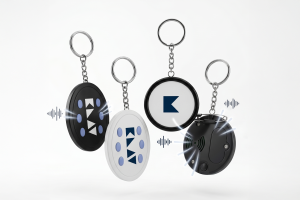
ในงานคอนเสิร์ตขนาดใหญ่ แท่งไฟ OEM ยังสามารถพัฒนาให้รองรับระบบควบคุมแสง เพื่อสร้างเอฟเฟกต์พร้อมกันทั้งพื้นที่ ซึ่งช่วยยกระดับประสบการณ์ของผู้ชมได้อย่างชัดเจน
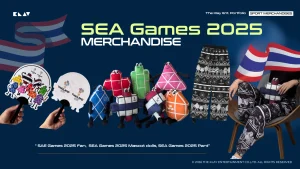
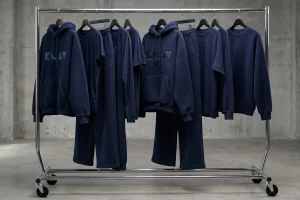
อีกหนึ่งประโยชน์คือสามารถต่อยอดเป็นสินค้า Merchandise ที่มีความต้องการสูงในกลุ่มแฟนคลับ
รับผลิตแท่งไฟ OEM เหมาะกับใคร
แท่งไฟ OEM เหมาะกับผู้ที่ต้องการสร้างความแตกต่างและความชัดเจนในด้านแบรนด์
ศิลปินและค่ายเพลงสามารถใช้แท่งไฟ OEM เพื่อสร้างเอกลักษณ์และความผูกพันกับแฟนคลับ
ออร์แกไนเซอร์สามารถใช้เพื่อยกระดับคุณภาพของงาน และสร้างประสบการณ์ที่น่าจดจำ
แบรนด์สามารถนำไปใช้ในแคมเปญหรือกิจกรรมที่ต้องการสร้างการมีส่วนร่วม
ในทางกลับกัน หากเป็นงานที่ต้องการความรวดเร็ว หรือมีข้อจำกัดด้านเวลา การเลือกใช้แท่งไฟแบบพร้อมส่งอาจเหมาะสมมากกว่า
ขั้นตอนการผลิตแท่งไฟ OEM
การผลิตแท่งไฟ OEM เริ่มจากการกำหนดแนวคิดของงาน เพื่อให้เข้าใจภาพรวมและทิศทางของสินค้า
จากนั้นจึงเข้าสู่ขั้นตอนการออกแบบ ซึ่งรวมถึงรูปทรง สี และองค์ประกอบต่างๆ ที่สะท้อนตัวตนของแบรนด์
เมื่อได้แบบที่ชัดเจน จะมีการพัฒนาตัวอย่างเพื่อตรวจสอบความถูกต้อง ก่อนเข้าสู่การผลิตจริง
ในระหว่างนี้ จะมีการกำหนดฟังก์ชันของแท่งไฟ เช่น ระบบไฟ หรือความสามารถในการควบคุมแสง
เมื่อทุกอย่างพร้อม จึงเริ่มกระบวนการผลิตและตรวจสอบคุณภาพก่อนนำไปใช้งานจริง
สิ่งที่ควรรู้ก่อนเริ่มทำ OEM
การผลิตแบบ OEM ต้องใช้เวลาในการพัฒนาและวางแผนมากกว่าสินค้าแบบสำเร็จรูป
การมีแนวคิดที่ชัดเจนตั้งแต่ต้น จะช่วยให้กระบวนการออกแบบและผลิตเป็นไปอย่างราบรื่น
การเลือกพาร์ทเนอร์ที่มีประสบการณ์ก็เป็นอีกปัจจัยสำคัญ เพราะจะช่วยลดความเสี่ยงและทำให้ผลลัพธ์ออกมาตรงตามเป้าหมาย
แนวทางเลือกที่เหมาะกับโปรเจกต์ของคุณ
หากเป้าหมายของคุณคือการสร้างสินค้าเฉพาะที่สะท้อนตัวตนของแบรนด์ และต้องการยกระดับประสบการณ์ของผู้ชม แท่งไฟ OEM เป็นทางเลือกที่เหมาะสม
แต่หากคุณต้องการความรวดเร็วและความสะดวกในการใช้งาน การเลือกแท่งไฟแบบสำเร็จรูปอาจตอบโจทย์มากกว่า
การตัดสินใจควรขึ้นอยู่กับเป้าหมายของงาน ระยะเวลา และระดับความสำคัญของการสร้างแบรนด์
สนใจบริการรับผลิตแท่งไฟ OEM
หากคุณกำลังมองหาบริการรับผลิตแท่งไฟ OEM ที่สามารถดูแลตั้งแต่การออกแบบจนถึงการผลิตจริง ทีมงานพร้อมให้คำปรึกษาและช่วยวางแผนให้เหมาะกับโปรเจกต์ของคุณ