การผลิตแท่งไฟคอนเสิร์ตไม่ใช่แค่การประกอบอุปกรณ์ไฟ LED แต่เป็นกระบวนการที่ต้องอาศัยการวางแผน การออกแบบ และการควบคุมคุณภาพในทุกขั้นตอน เพื่อให้ได้สินค้าที่ใช้งานได้จริง และตอบโจทย์ทั้งด้านภาพลักษณ์และประสบการณ์ของผู้ชม
บทความนี้จะพาคุณเข้าใจขั้นตอนการผลิตแท่งไฟตั้งแต่เริ่มต้นจนถึงการนำไปใช้งานจริง
การกำหนดแนวคิดและเป้าหมาย
ขั้นตอนแรกเริ่มจากการกำหนดแนวคิดของแท่งไฟ ว่าจะใช้ในงานประเภทใด ต้องการสื่อภาพลักษณ์แบบไหน และต้องการสร้างประสบการณ์อย่างไรให้กับผู้ชม
แนวคิดที่ชัดเจนจะช่วยกำหนดทิศทางของการออกแบบและการผลิตในขั้นตอนต่อไป
การออกแบบรูปทรงและดีไซน์
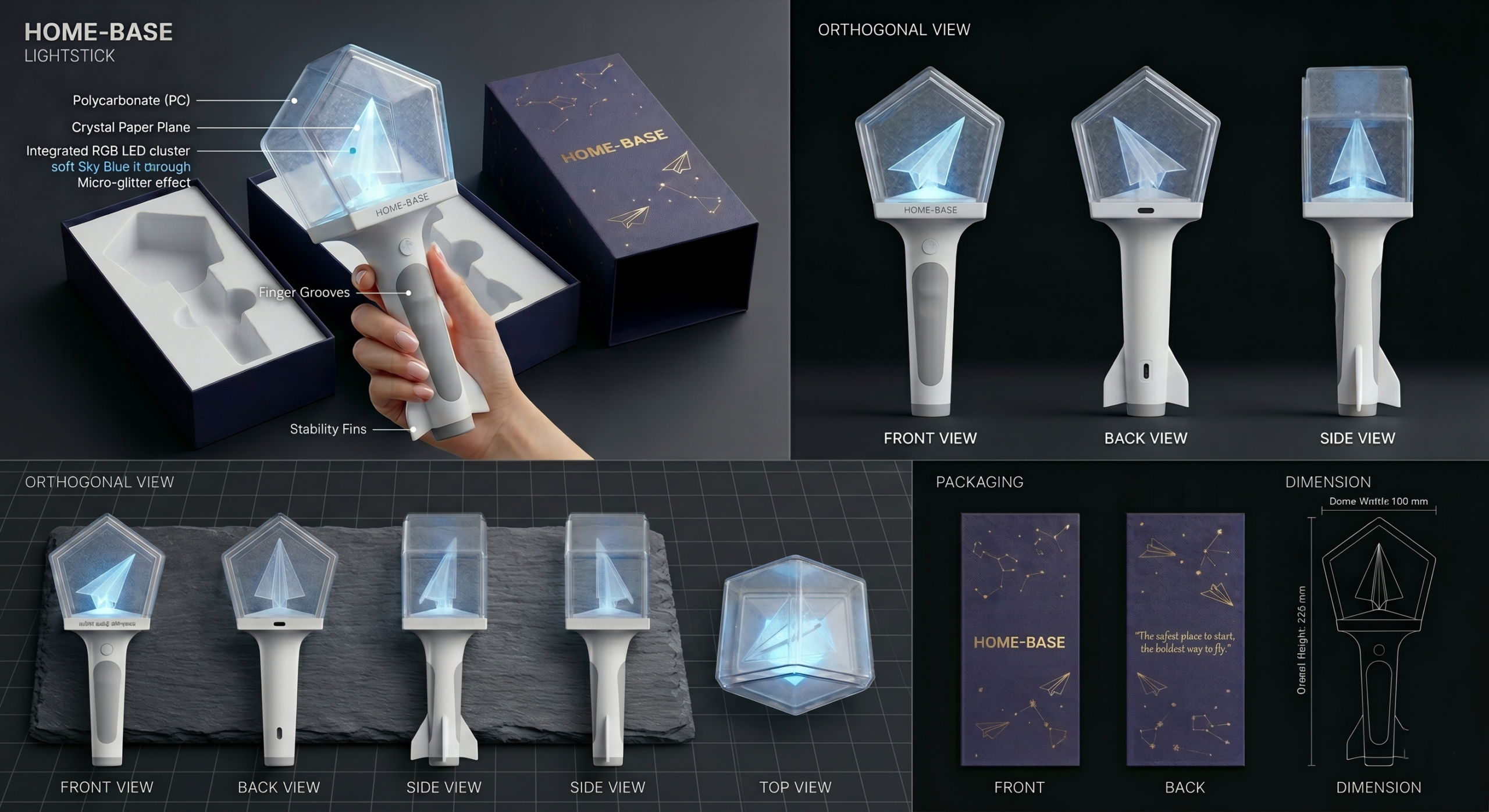
หลังจากได้แนวคิด จะเข้าสู่การออกแบบรูปทรง สี และรายละเอียดของแท่งไฟ
ขั้นตอนนี้รวมถึงการกำหนดตำแหน่งของโลโก้ วัสดุ และลักษณะการใช้งาน เพื่อให้สอดคล้องกับภาพลักษณ์ของแบรนด์หรือศิลปิน
การออกแบบระบบภายใน
นอกจากรูปลักษณ์ภายนอก ระบบภายในก็เป็นสิ่งสำคัญ
ต้องมีการวางระบบไฟ LED วงจรควบคุม แหล่งพลังงาน และในบางกรณีอาจมีระบบรับสัญญาณสำหรับแท่งไฟควบคุม
การออกแบบที่ดีจะช่วยให้แท่งไฟทำงานได้อย่างเสถียร
การพัฒนาตัวอย่าง (Prototype)
ก่อนเข้าสู่การผลิตจริง จะมีการสร้างตัวอย่างเพื่อตรวจสอบความถูกต้องของดีไซน์ ฟังก์ชัน และการใช้งาน
ขั้นตอนนี้ช่วยให้สามารถแก้ไขปัญหาก่อนการผลิตจำนวนมาก และลดความเสี่ยงของข้อผิดพลาด
การผลิตแม่พิมพ์
สำหรับแท่งไฟที่มีดีไซน์เฉพาะ จะต้องมีการผลิตแม่พิมพ์สำหรับชิ้นส่วนต่างๆ
แม่พิมพ์มีผลต่อคุณภาพและความสม่ำเสมอของสินค้าในระยะยาว
การผลิตชิ้นส่วนและประกอบ
เมื่อทุกอย่างพร้อม จะเริ่มการผลิตชิ้นส่วน เช่น ตัวโครง พลาสติก วงจร และชิ้นส่วนไฟ LED
จากนั้นนำมาประกอบเข้าด้วยกันเป็นแท่งไฟที่สมบูรณ์
การตรวจสอบคุณภาพ
หลังการผลิต จะมีการตรวจสอบคุณภาพในหลายด้าน เช่น การทำงานของไฟ ความแข็งแรง และความปลอดภัยในการใช้งาน
การตรวจสอบนี้เป็นขั้นตอนสำคัญเพื่อให้มั่นใจว่าสินค้าทุกชิ้นมีมาตรฐานเดียวกัน
การบรรจุและจัดส่ง
แท่งไฟจะถูกบรรจุในรูปแบบที่เหมาะสม อาจมีการออกแบบแพ็กเกจเพื่อเสริมภาพลักษณ์ของแบรนด์
จากนั้นจึงจัดส่งไปยังสถานที่จัดงานหรือจุดกระจายสินค้า
การเตรียมใช้งานหน้างาน
ในกรณีของแท่งไฟควบคุม จะต้องมีการติดตั้งระบบและทดสอบการทำงานในสถานที่จริง
ทีมงานจะตรวจสอบการเชื่อมต่อและความพร้อมของระบบ เพื่อให้การใช้งานในวันงานเป็นไปอย่างราบรื่น
แนวทางเข้าใจกระบวนการผลิตแท่งไฟ
การผลิตแท่งไฟเป็นกระบวนการที่ต้องอาศัยความร่วมมือระหว่างหลายฝ่าย ตั้งแต่ทีมออกแบบ ทีมวิศวกรรม ไปจนถึงทีมผลิต
การเข้าใจแต่ละขั้นตอน จะช่วยให้คุณสามารถวางแผนโปรเจกต์ได้ดีขึ้น และลดความผิดพลาดที่อาจเกิดขึ้น
เมื่อทุกขั้นตอนดำเนินไปอย่างถูกต้อง แท่งไฟจะกลายเป็นองค์ประกอบสำคัญที่ช่วยยกระดับงาน และสร้างประสบการณ์ที่น่าจดจำให้กับผู้ชม
สนใจบริการรับผลิตแท่งไฟ OEM
หากคุณกำลังมองหาโรงงานรับผลิตแท่งไฟที่สามารถดูแลตั้งแต่การออกแบบไปจนถึงการใช้งานจริง ทีมงานพร้อมให้คำปรึกษาและช่วยวางแผนให้เหมาะกับความต้องการของคุณ